Search engine optimization (SEO) is a big topic, so let’s lay some ground rules for understanding how search engines work and how they decide where your website shows up.
Meet Hummingbird
For years, Google’s overall search algorithm didn’t have a public name. That changed in 2013, when Google finally gave its baby a name: Hummingbird.
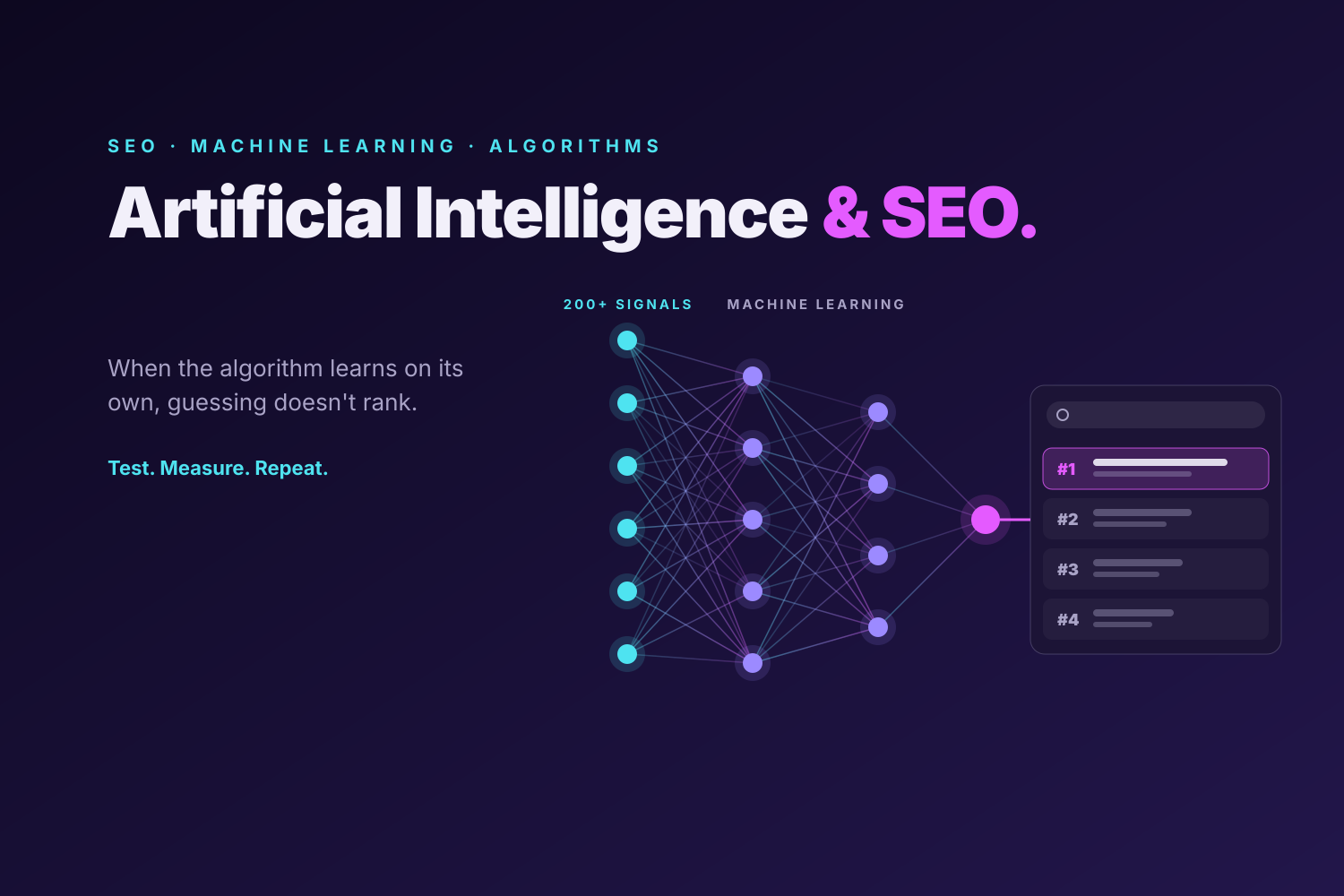
Hummingbird is the core engine behind Google’s organic results. It focuses on understanding the meaning behind a search, not just matching keywords. Google has said it uses over 200 ranking signals to decide which websites show up, and in what order.
The Updates Inside the Algorithm
Within Google’s algorithm are a bunch of familiar names in the SEO world. Each one tackles a specific problem:
- Panda: demotes thin, low-quality content.
- Penguin: fights spammy and manipulative backlinks.
- Payday Loan: targets spam-heavy searches like loans and gambling.
- Pigeon: improves local search results.
- Top Heavy: demotes pages loaded with ads above the fold. (Funny, since those ads compete with Google’s own.)
- Mobile-Friendly: rewards pages that work well on phones. Did someone say Accelerated Mobile Pages?
- Pirate: fights copyright infringement. Nobody likes a copier, except maybe artists. 😛
The common thread: Google wants to reward websites that give searchers a genuinely good experience, and punish the ones trying to game the system.
Enter RankBrain: Machine Learning Meets Search
Another key piece of the algorithm is RankBrain, Google’s machine learning system, announced in 2015. Google called it the third most important ranking signal at the time.
Here’s the rub with RankBrain. Because it learns on its own instead of following rules written by engineers, even Google’s own engineers have admitted it’s hard to explain exactly why it ranks one page above another.
That’s a big shift. SEO used to be about reverse-engineering a set of rules. With machine learning in the mix, the rules are constantly evolving based on how real people interact with results.
RankBrain was especially useful for searches Google had never seen before. A large share of daily searches are brand new, and RankBrain helps Google make an educated guess about what those searchers actually want by connecting them to similar searches it already understands. For marketers, that means writing for topics and intent, not just exact-match keywords. If your page thoroughly answers the real question, the machine has a much better chance of matching it to all the different ways people phrase that question.
What’s the Solution?
Lots of testing, patience, and real industry experience.
- Test everything: titles, page structure, content depth, internal links, and page speed.
- Watch the data: rankings, traffic, click-through rates, and conversions in Google Search Console and Analytics.
- Focus on the searcher: answer the real question behind the keyword better than anyone else.
- Earn trust: quality backlinks, real expertise, and a technically sound website.
Hire Experience, Not Guesswork
If you hire an SEO consultant with limited experience, you’re probably throwing money away.
You need a partner with a real track record of results and a solid understanding of technology, data, and how algorithms work. Ask for case studies. Ask how they measure success. Be wary of anyone who guarantees a #1 ranking, because nobody can promise that. A good SEO partner will talk about leads, sales, and revenue, not just rankings and traffic reports.
No longer can an SEO guess and get lucky. SEO is far too technical and analytical for that to work anymore.
2026 Update: AI Took Over Search
When I studied the above topics in 2017, RankBrain felt like the cutting edge. Looking back, it was just the beginning. AI has completely reshaped search since then.
What Changed
- Google got much better at language. Models like BERT (2019) and MUM (2021) helped Google understand the meaning and context of searches far better than keyword matching ever could.
- The named updates got absorbed. Panda, Penguin, and similar updates became part of Google’s core ranking systems instead of separate events.
- Quality standards went up. Google’s emphasis on helpful, people-first content and E-E-A-T (experience, expertise, authoritativeness, and trustworthiness) rewards real expertise over content written just to rank.
- AI answers moved to the top. AI Overviews and Google’s AI Mode now answer many questions directly on the results page. In 2026, Google merged the two into one AI search experience, where people can read a summary and keep asking follow-up questions.
What It Means
For simple informational searches, fewer people click through to websites, because the AI answers the question right on the page. The goal is shifting from just ranking #1 to also being one of the sources the AI cites.
But SEO isn’t dead. If anything, AI search exposes weak SEO and rewards strong SEO. Content built on real expertise, clear structure, original insight, and a strong brand is exactly what AI systems look for when choosing sources. Searches closer to a purchase decision, like comparing services or buying a product, still send plenty of people to websites.
How to Win in AI Search Today
Here’s what I focus on now when helping businesses stay visible:
- Answer questions clearly. Use plain headings and put the direct answer near the top, so both people and AI can find it fast.
- Show real experience. Share your own results, data, photos, and case studies. AI can summarize generic advice, but it can’t replace firsthand experience.
- Build your brand everywhere. Reviews, mentions, social profiles, and community discussions all help AI systems recognize you as a trusted source.
- Nail the technical basics. Fast pages, clean site structure, mobile-friendly design, and structured data still matter.
- Target high-intent searches. People comparing options or ready to buy still click through, and those visits convert.
- Measure beyond clicks. Track branded search, leads, and revenue, not just traffic, since visibility inside AI answers doesn’t always show up as a visit.
And just like in 2017, test everything. The algorithms change constantly, and the businesses that keep testing and learning are the ones that stay ahead.
My original conclusion holds up even better today: SEO is too technical and too fast-moving to guess at. The difference now is that you’re optimizing for people, search engines, and AI assistants all at the same time.
Leave a Reply